Managing Rain Garden Maintenance Together
Pooled BMP Maintenance Program
Capitol Region Watershed District’s (CRWD’s) Facility Management Division created a pooled maintenance program for stormwater best management practices (BMPs) owned by public entities. As part of the program, CRWD manages maintenance for BMPs for multiple public partners, including Saint Paul Parks and Recreation, Saint Paul Public Works, the City of Falcon Heights, Roseville Area Schools, and Ramsey County. The program’s initial phase focused on rain gardens, a common type of stormwater BMP found in many public places. Maintenance for rain gardens includes:
- Weeding
- Removing tree saplings
- Cleaning inlets from trash, sediment, and debris
- Inspecting for signs of structural problems, like erosion
The Pooled BMP Maintenance Program’s goals are to achieve efficient, high-quality management of rain gardens and other BMPs by developing a single, partner-funded maintenance contract that CRWD staff manages. When we launched the program last year, the initial organization took some time to set up. We first asked partners which rain gardens we needed to evaluate, then created a maintenance plan for each and requested quotes for the maintenance work, before following up with the site owners for approval and official enrollment in the program. Now that we have completed the program’s organizational groundwork, it’s much easier to update work plans and quotes for the following season so we can begin maintenance work right away in the spring.
Rain Gardens
Rain gardens soak up and clean rainwater to help protect our lakes and the Mississippi River. The roots of native plants and soil microbes help break down pollutants in the water while they soak deeper into the ground. Rain gardens have many great benefits, like;
- Reducing local flooding
- Reducing pollution in our lakes and rivers
- Providing habitat for pollinators
- Adding beauty with native plants and green space
However, like any infrastructure, rain gardens need regular maintenance, which often requires specialized training and knowledge. Long-term maintenance is critical to ensure that projects continue to capture and clean rainwater and maximize their lifespan.
Recent Project Highlights
Oxford Community Center/Jimmy Lee Recreation Center
The Jimmy Lee Recreation Center is in the heart of the historic Rondo neighborhood of Saint Paul. As part of the connected Oxford Community Center and Great River Water Park, it features indoor facilities, outdoor athletic fields, and a playground. A large rain garden captures stormwater from the center’s parking lot. The garden is designed to collect dirt, trash, sand and other pollutants before they enter the storm drain and flow to the Mississippi River. The long roots of native plants in the rain garden help soak up the water.
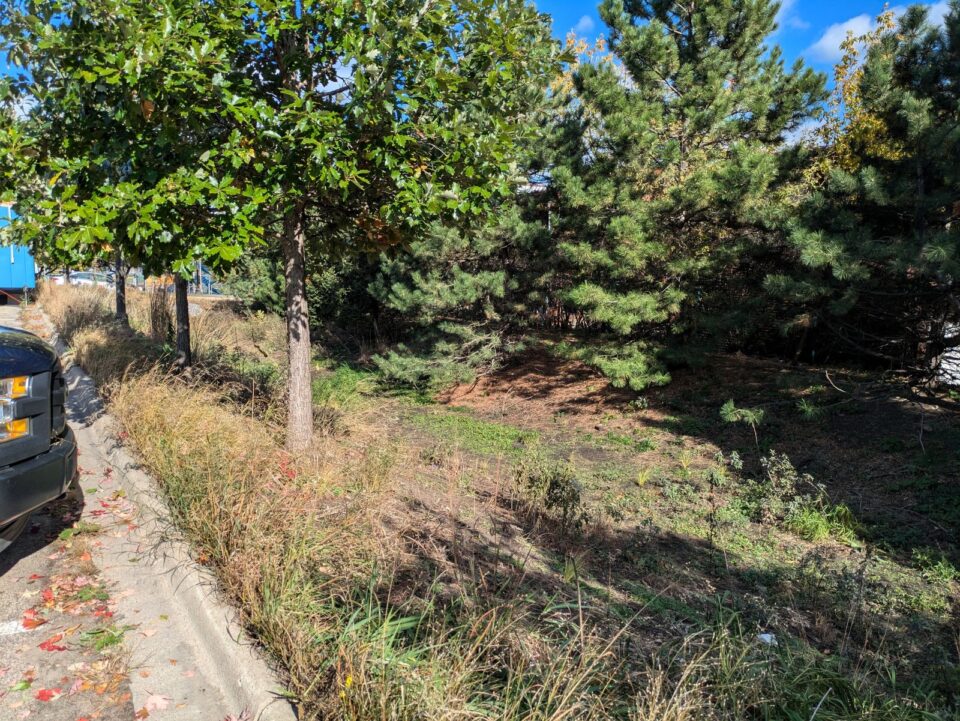
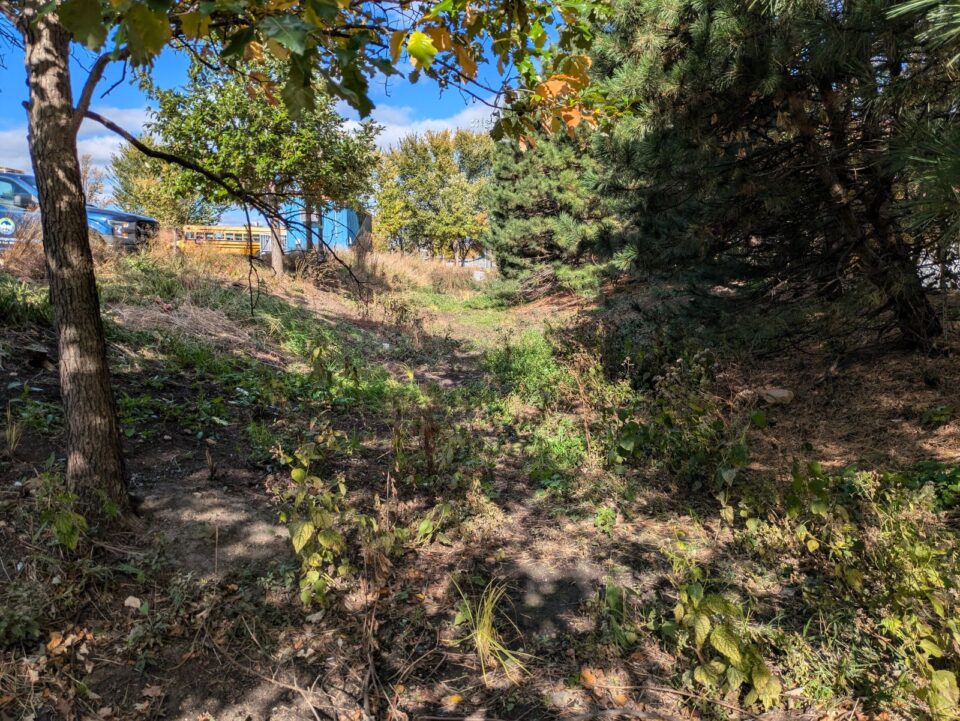
Numerous volunteer tree saplings were growing in the garden’s basin, shading out the native plants and blocking the view of the rain garden. CRWD worked with a contractor to remove about 30 small trees. The City of Saint Paul added new native plants following the tree removals, and we continue to monitor the site.
Highland Bridge
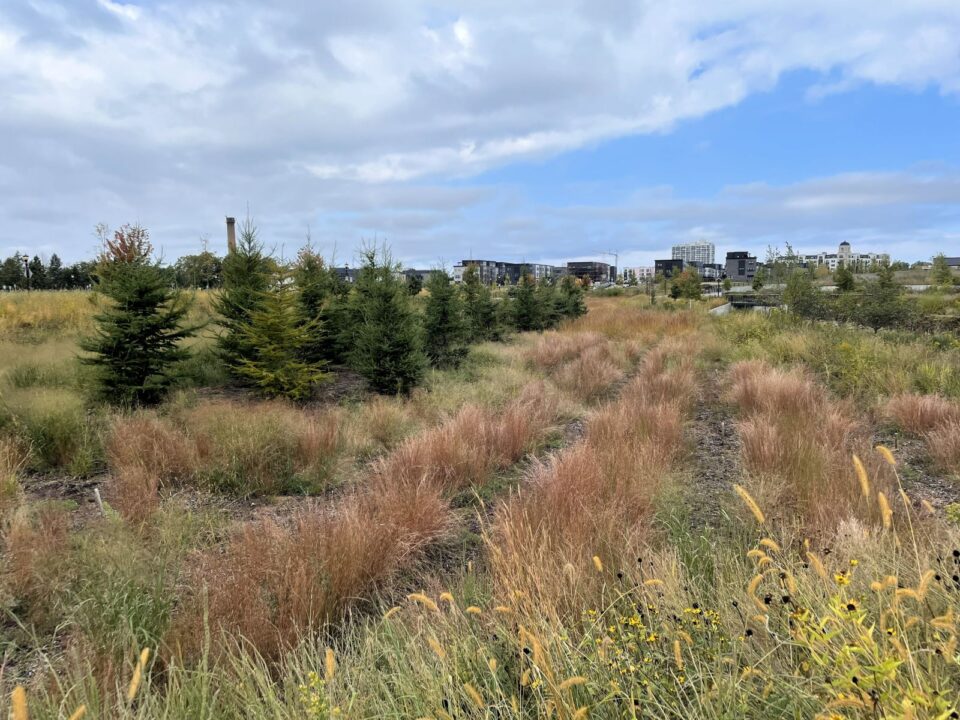
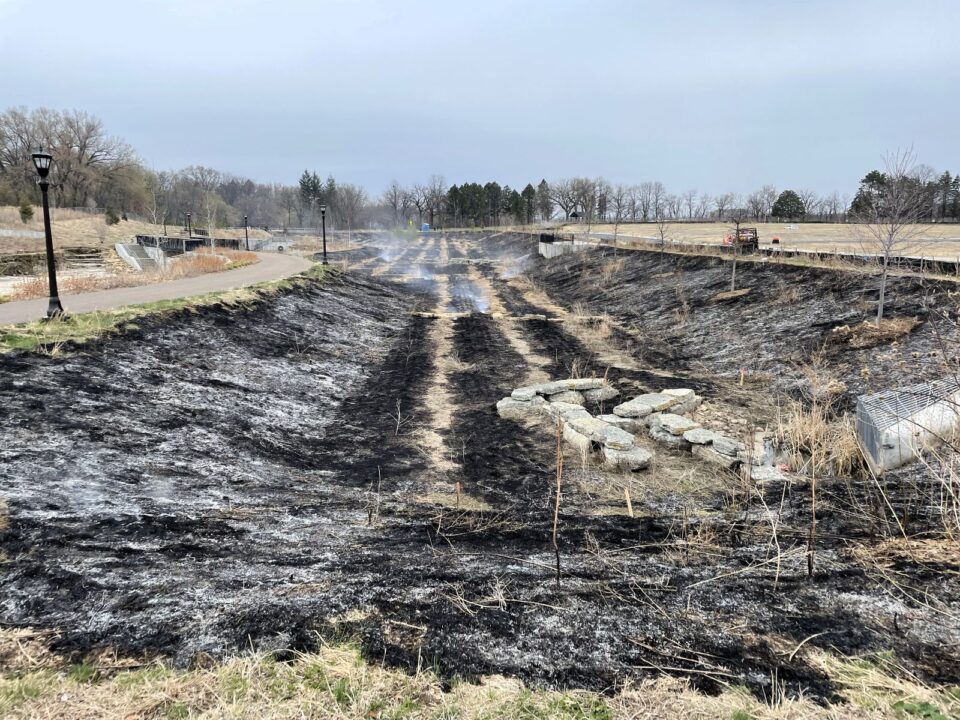
Highland Bridge, the new development at the site of the former Ford Motors Assembly Plant, has five large basins and a pond. The City of Saint Paul Public Works manages the basins and the pond, totaling about 2.5 acres of vegetation. The basins look like rain gardens, but there are drainage pipes and iron-enhanced sand below the plants and soil to remove dissolved phosphorus, a pollutant in the water that fuels algae growth. Iron filings mixed into sand create a bond with phosphorus, removing it from the water before it drains to the Mississippi River. Combined with other BMPs across the 122-acre site, the stormwater systems at Highland Bridge capture and clean a total of 64 million gallons of water annually. The systems prevent an estimated 28 tons of total suspended solids and 147 pounds of phosphorus from entering the Mississippi River yearly.
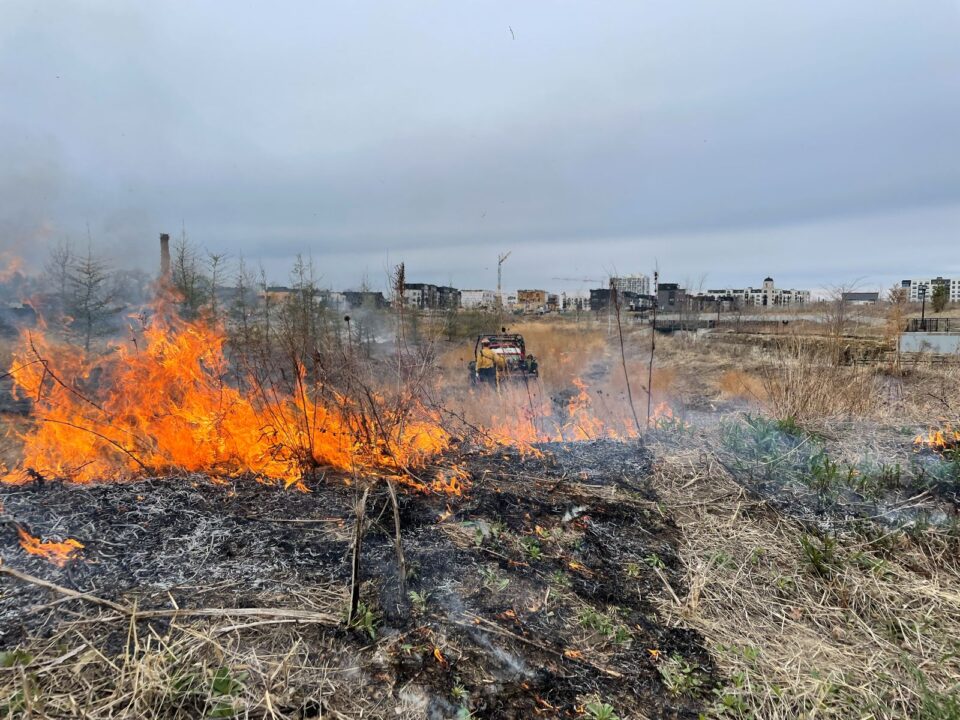
In April 2025, we worked with a contractor to do a prescribed burn of nearly 2.5 acres of plants in Highland Bridge’s large basins and surrounding a stormwater pond. Prescribed burns provide many benefits for habitat restoration, like removing the previous year’s plant growth to make room for new growth, reducing unwanted species, and converting the surface layer of dead and living plant matter into available soil nutrients favored by native prairie plants. After the prescribed burn in April, native blooming plants like purple prairie clover were thriving.
Midway Peace Park
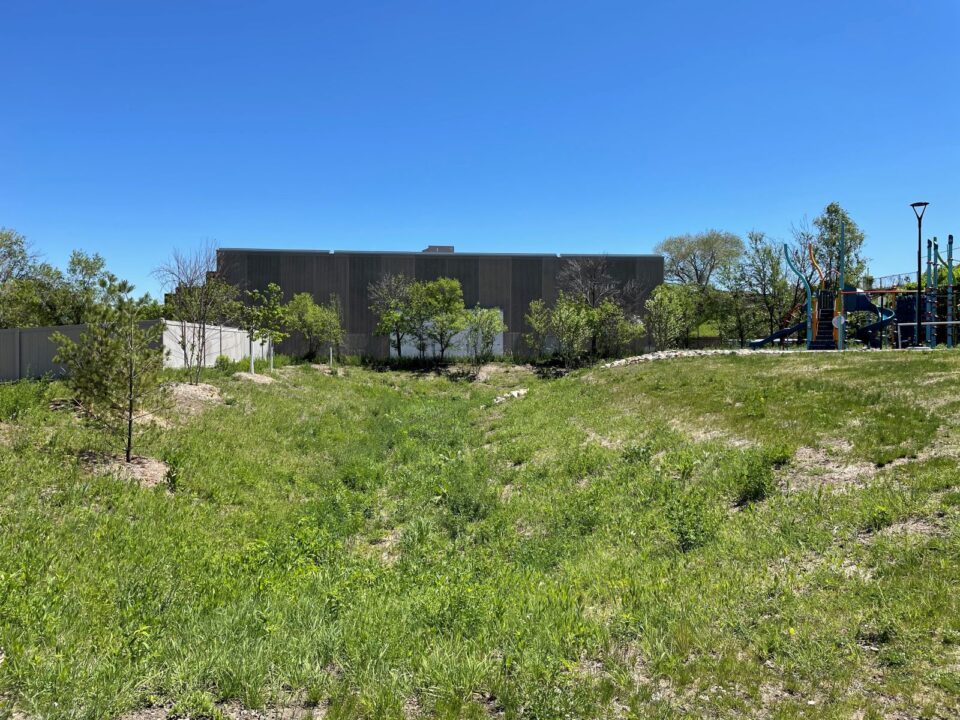
Midway Peace Park is a three-acre park along Griggs Street between University and Saint Anthony Avenues in Saint Paul. The park’s two rain gardens collect and filter 1.5 million gallons of runoff to prevent pollution from reaching the Mississippi River yearly. The gardens require close management to keep weeds like ragweed and invasive species like leafy spurge, Canada thistle and spotted knapweed from establishing and spreading.
Midway Peace Park has a steep slope to the lower rain garden basin. The hill is challenging to manage because water flows quickly down it, causing erosion. Controlling invasive species and maintaining native plants with long roots helps stabilize the area. This winter, we will overseed the area to increase the diversity of plants in the basin. Overseeding is often used in late fall or winter to scatter native plant seeds directly onto the ground without disturbing the soil. The seeds germinate in the spring and fill in bare areas.
Shared Success
These rain gardens represent just a few examples of the numerous sites in the Pooled BMP Maintenance Program. Addressing concerns and providing timely maintenance improves the effectiveness of projects and extends their lifespan, saving public funds and reducing water pollution. By collaborating with multiple public agencies, we created a streamlined approach that fosters efficiency and resource sharing to maintain the beauty and function of these vital public stormwater systems. Thank you to our partners for their support in making our program a success!
We’re already beginning the next phase of the Pooled BMP Maintenance Program with a pond dredging project this winter. Check back in the spring of 2026 for a project update.