Climate Change and Resiliency

Flooding, water quality, and ecosystem health are all systems affected by climate change that are directly related to the work of Capitol Region Watershed District (CRWD). We developed the Climate Resiliency Framework to document the approaches and actions we will use to plan for and address local impacts of climate change.

Climate Change and Resiliency

Climate change is the long-term shift in temperatures and weather patterns. Since the 1800s, human activity has been the primary cause of climate change due to the burning of carbon-based fuels like coal, oil, and gas. Burning carbon-based fossil fuels generates greenhouse gas (GHG) emissions that trap the sun’s heat and raise global temperatures.

Climate resiliency, or climate resilience, is the ability of any system to withstand impacts resulting from climate change. Climate resilience applies across a broad range of time scales, including a system’s response to extreme weather and changes in climate patterns over time such as increasing annual average temperatures.

Watershed Management Plan Theme

Climate change and community resilience are a theme of work identified in our 2021-2030 Watershed Management Plan. Mitigating the impacts of climate change now and into the future is a high priority for the District, its partners, and stakeholders. We developed the Climate Resiliency Framework to document and clarify the District’s role, approaches and actions we can use to plan for and address local impacts of climate change.

The Challenge

Part of the challenge of addressing climate change and community resilience is the broad scope of the potential impacts. CRWD cannot respond to all climate change impacts due to this scope and because some roles and areas are managed by other entities, such as State, County and Municipal agencies.

Climate trends observed and documented in Minnesota relevant to CRWD, include:

  • Extreme precipitation
    • Increased total annual precipitation, such as rain and snow, and frequency of intense rainfall
  • Warming, heat and humidity
    • Average temperatures and humidity levels are increasing
    • Increased heat and humidity are favorable conditions for severe storms, which may include high wind, hail, or tornadoes.
  • Warming winters
    • Average winter temperatures (December through February) are increasing
    • The number of winter days with temperatures below 32°F is decreasing
  • Drought
    • Dry conditions following periods of increased precipitation totals may result in wider extremes

Researchers anticipate these trends will continue and, in some cases, accelerate in the coming years as a result of climate change. The four major climate trends listed above have potential impacts on built and natural systems. Some of these impacts are more relevant to CRWD’s water and natural resource management roles than others.

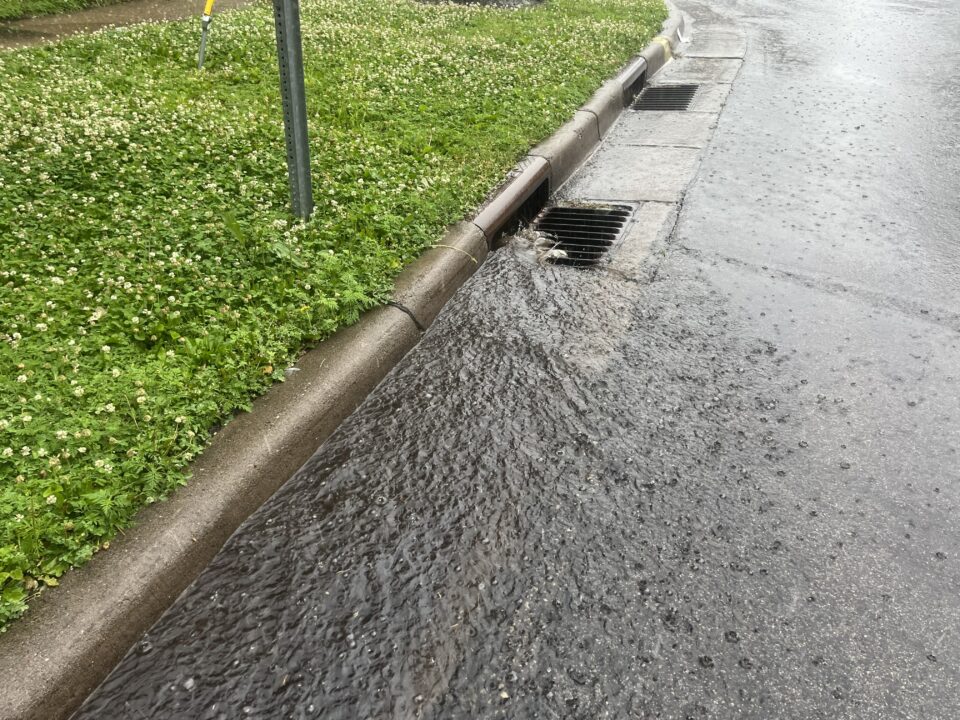
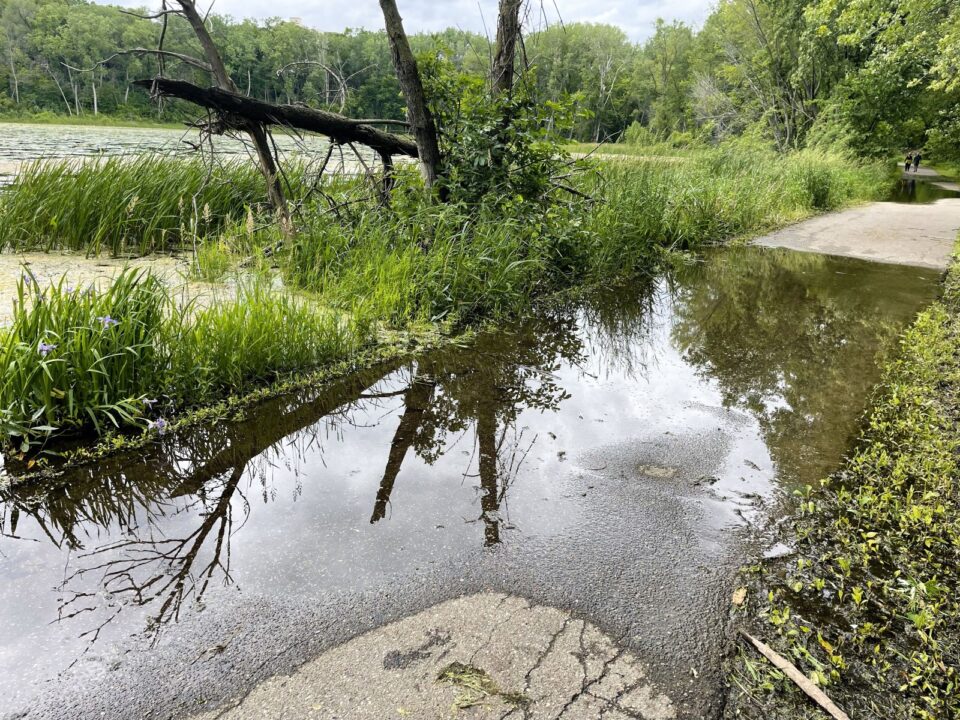
For example, extreme rain could cause increased damage to infrastructure and increased pollutant loading from runoff, along with other impacts.

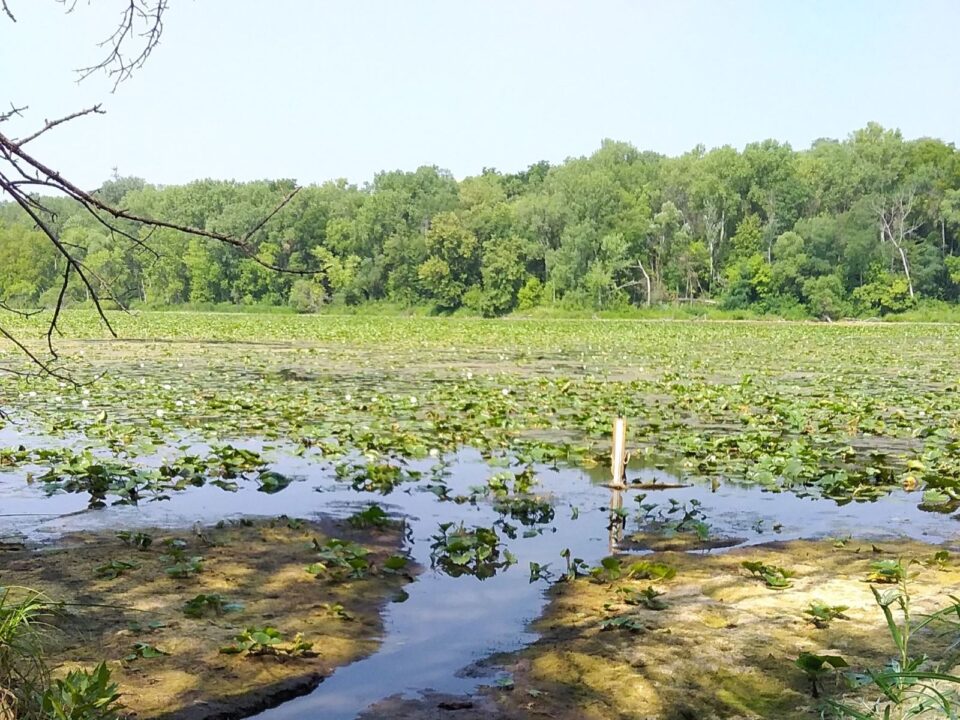
Warming, heat and humidity could cause stress on plants and the tree canopy and increased algal blooms.

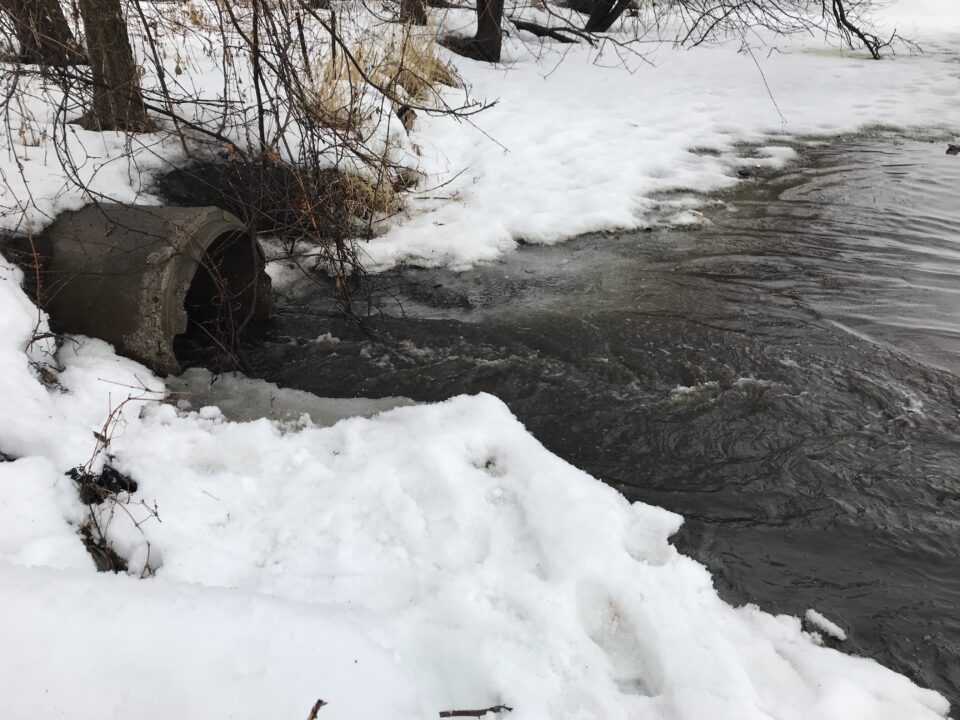
Warming winters could lead to increased freeze/thaw stress on infrastructure and increased salt use on roads and sidewalks. Warming winters are also causing a longer growing season, impacting the survival of invasive species.

Drought and extended dry periods can increase vegetation maintenance costs and impact groundwater resources.

CRWD Climate Resiliency Framework

CRWD created the Climate Resiliency Framework (the Framework) to address resiliency relative to the District’s work, focusing on strategies and actions that fall within or adjacent to our existing roles. CRWD solicited feedback from a variety of stakeholders to understand local climate change impacts and develop the Framework.

The Framework organizes goals and activities around four key themes drawn from community feedback. It aims to deepen understanding of climate change, respond to its current impacts, plan for future conditions, and strengthen efforts through collaboration with partners.

The issues and impacts identified through engagement and reviewing documents led us to refine five goals and their key points, listed below.

Goal 1: Understand the impacts of climate change trends on local water resources and infrastructure.

  • Climate change will impact natural resources, infrastructure, and communities in CRWD; however, the extent and magnitude of these changes is not known.
  • More information about project performance, ecosystem response, and other data is needed for CRWD to make informed decisions and take appropriate climate resilience actions.
  • Assessment of existing data and programs will allow CRWD to consider adjustments for increased resilience

Goal 2: Mitigate watershed flood risk and infrastructure damage resulting from climate change.

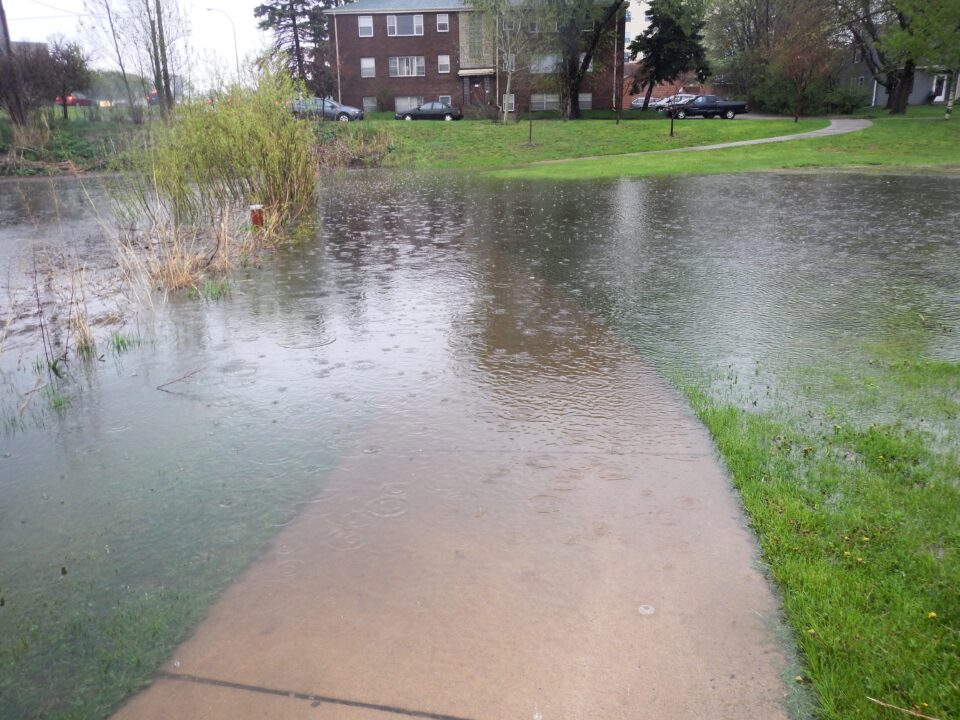
  • Increased flood risk due to greater precipitation amounts and intensities is one of the most significant climate impacts facing CRWD.
  • Flood risk is the most directly relevant climate impact to CRWD’s statutory purposes and 2020 WMP
  • The highly urbanized nature of the watershed results in a high percentage of precipitation becoming stormwater runoff.
  • As such, changes in climate may result in significant environmental, economic, and public health impacts due to increased

Goal 3: Increase the use of climate-resilient strategies in CRWD projects and programs

  • CRWD identified numerous and varied climate resilient strategies that can be integrated into CRWD projects and programs to mitigate climate impacts.
  • Some of these strategies are currently being used, and increasing these efforts across all CRWD programs will help mitigate current and future impacts.
  • CRWD recognizes that climate change impacts residents differently across our District and CRWD’s climate-resilient strategies will consider ways to support communities with fewer resources.

Goal 4: Increase community awareness, understanding of, and connection to, climate change and CRWD’s climate resilience work.

  • CRWD’s work is more effective when it is informed by, shared with, and supported by residents, communities, and partners.
  • Climate change is an evolving and far-reaching issue. Awareness and understanding of climate impacts and CRWD’s role in addressing them are important to the success of CRWD’s resiliency actions and empowering communities to take action.
  • CRWD can play a role in communicating climate resilience messages.

Goal 5: Work with partners to efficiently address challenges of climate change

  • Partnerships can promote efficiency through an increased knowledge base, reduced redundancy, and increased
  • Through the initial development of goals and actions, CRWD staff identified several ways CRWD can leverage partners to address climate impacts.
  • Individual strategies were grouped to support a single goal focused on collaboration.

CRWD is one of many local, regional, and state entities planning for resilience in the face of climate change. The issue of climate change and resilience is too significant for any one entity to effectively address by itself. CRWD’s framework intentionally aligns with other plans by Cities, County, State, Regional and National organizations to establish common ground for future partnerships.

View the CRWD Climate Resiliency Framework PDF, linked below, for the full Framework, including detailed information on CRWD’s role, engagement efforts, themes, goals and activities, alignment with other plans and implementation.

CRWD Climate Resiliency Framework PDF
Next Steps

Staff are incorporating activities into annual work planning efforts based on timing and priority levels. CRWD is also identifying critical activities to work on immediately.

The Framework will guide CRWD’s climate resiliency actions for the next five years, until 2030, when we develop the next Watershed Management Plan. CRWD intends to incorporate elements of the Framework into the next Watershed Management Plan update. In the meantime, the Framework may be updated or adapted to refine goals and activities and update appendices.

Staff will document implementation activities as part of CRWD’s existing annual reporting process.

By considering our role in climate change and resilience, CRWD is protecting the District’s water and natural resources, as well as the community, both now and in the future.