Why Permitted Site Maintenance Matters for Urban Watersheds
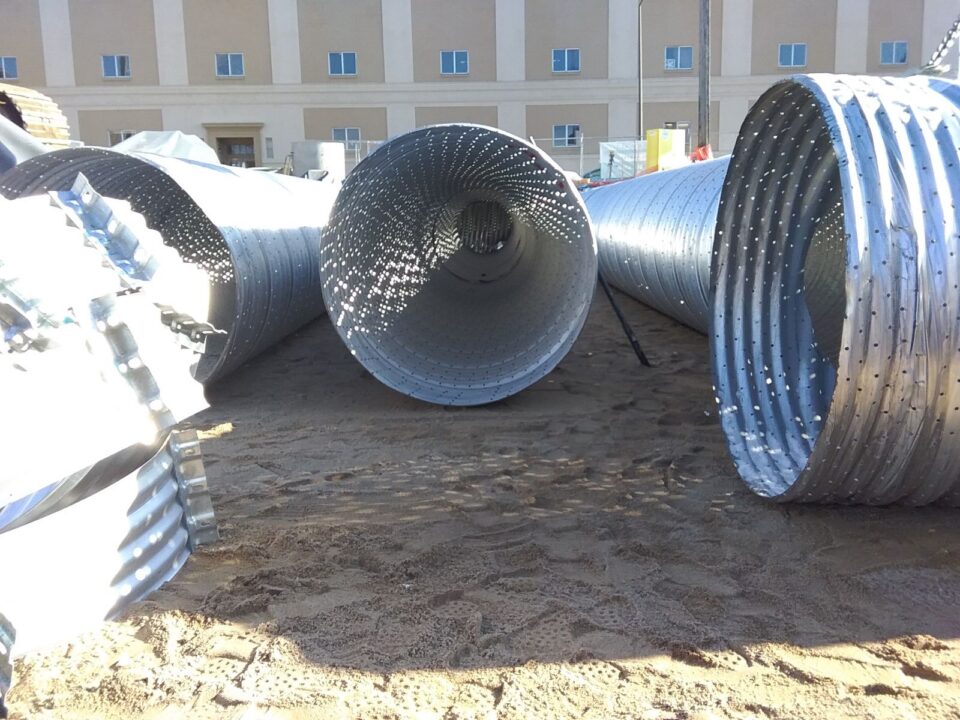
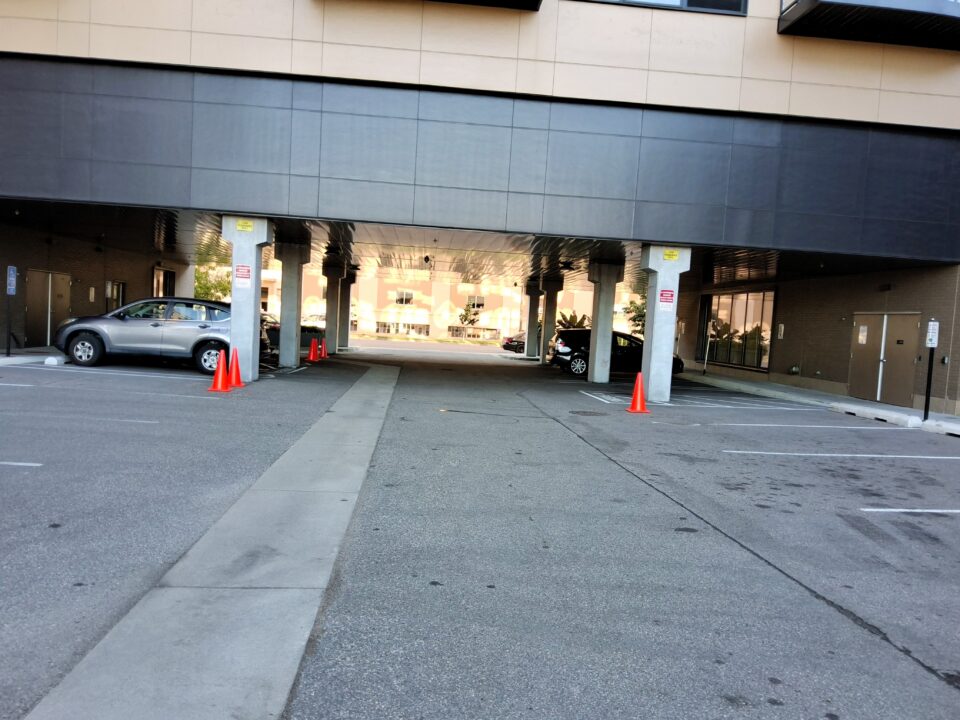
In the parking lot of a new building in Saint Paul, people come and go. They hardly notice the storm drains in the parking lot that flow to a series of large pipes hidden below. The pipes are perforated with small holes that collect rainwater from the parking lot, sidewalks, and building roof, allowing it to slowly soak into the sandy soil below rather than flowing into storm sewers that drain to the Mississippi River. Without proper maintenance, pollutants such as trash, dirt, and sand can accumulate in the system, slowing water infiltration or blocking it entirely. But the site is a CRWD-permitted project, and system maintenance is required to ensure it continues to function as designed, protecting local infrastructure and the Mississippi River.
Watershed Rules and Permitting
Capitol Region Watershed District (CRWD) helps protect the public interest and natural resources of our watershed through reasonable regulation of our land and waters. Starting in 2006, CRWD’s Board of Managers adopted water quality and stormwater management rules.
CRWD’s rules require stormwater management permits for construction projects that disturb more than one acre of land. Most of CRWD is fully developed, making it necessary to use stormwater management practices in development and redevelopment projects to reduce stormwater pollution in our lakes, wetlands and the Mississippi River. To achieve our goal of cleaner water resources, the rules require practices that capture 1.1 inches of rainfall from all new and reconstructed impervious surfaces. The requirement is met by installing stormwater best management practices (BMPs).
Our permitting program verifies BMP plans and installation, and ensures the project is functioning as designed before permit closure. Once the permit closes, the maintenance agreement requires property owners to inspect, maintain, and report annually to CRWD on their BMPs. These annual inspections and regular maintenance are critical for protecting water quality in our district.
Stormwater Best Management Practices (BMPs)
Underground infiltration and filtration systems are stormwater BMPs that are frequently used for permitted projects in our urban watershed. Infiltration systems capture stormwater and allow it to soak into the ground, whereas filtration systems collect the water, pass it through filters to remove pollutants, and discharge it slowly to the storm sewer system. Other stormwater BMPs include above-ground basins and green infrastructure practices such as rain gardens, permeable pavers, and tree trenches. In addition to improving water quality, stormwater BMPs can reduce local flooding and protect infrastructure.
As noted above, underground systems are commonly used for permitted projects in our urban watershed due to space constraints. However, because they are hidden under surfaces such as parking lots, their maintenance is sometimes overlooked. Out of sight, out of mind.
Permitted Sites Maintenance Program
Since 2006, approximately 350 permitted projects have been constructed, with more added each year. This amounts to over 35 million gallons of water captured from 1,100 acres. As we mentioned earlier, our rules require property owners to inspect and maintain their BMPs and submit an annual report to CRWD. Historically, we’ve documented a low compliance rate and have recently devoted additional time and resources to project maintenance through our Permitted Sites Maintenance Program.
The goal of our Permitted Sites Maintenance Program is to ensure ongoing stormwater treatment by increasing compliance with inspection, maintenance, and reporting requirements. One challenge in maintaining BMPs is a simple lack of awareness; we address this by identifying property managers, reminding them of Maintenance Agreement requirements, and providing technical resources and assistance.
Inspections
In 2025, we contacted over 110 permitted sites to explain the requirements and request inspection reports. We prioritize key sites for direct inspections and provide feedback on needed maintenance. Last year, we inspected 24 permitted sites, focusing on larger BMPs, sites where the contact maintains several properties, and sites with recently closed permits. During the inspections, we worked with property managers to understand requirements so they could organize the necessary maintenance.
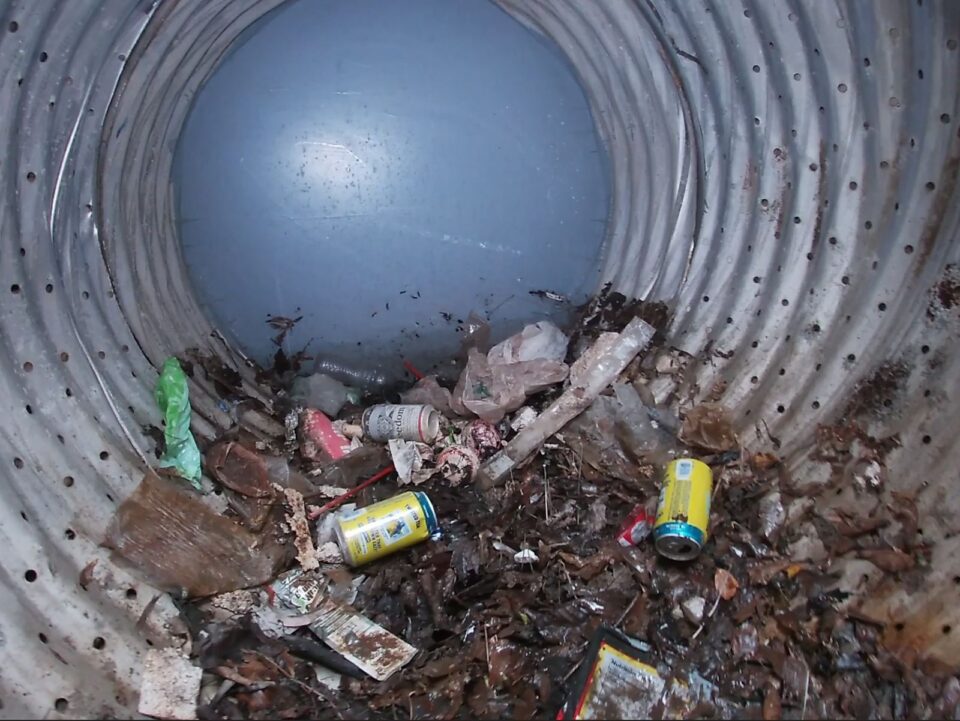
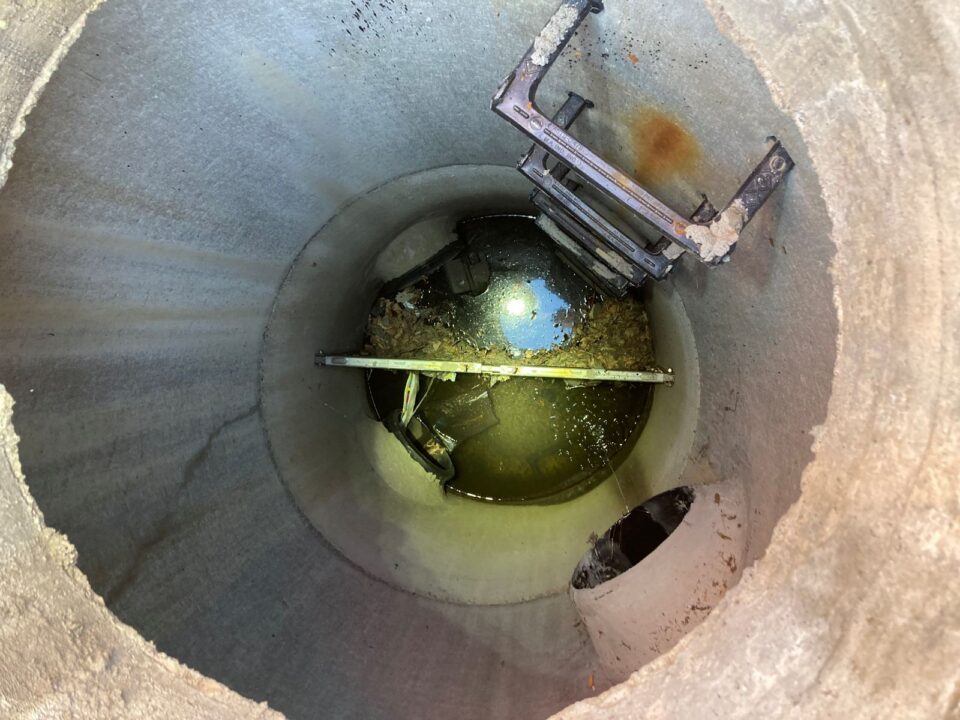
The inspections look for signs of good housekeeping, such as sweeping sediment and leaves from parking lots, ensuring landscaping is maintained to avoid erosion issues, checking pretreatment for the BMPs, inspecting the BMP itself for accumulated debris or standing water, and ensuring that surrounding infrastructure, such as catch basins and outlet pipes, is clear of debris.
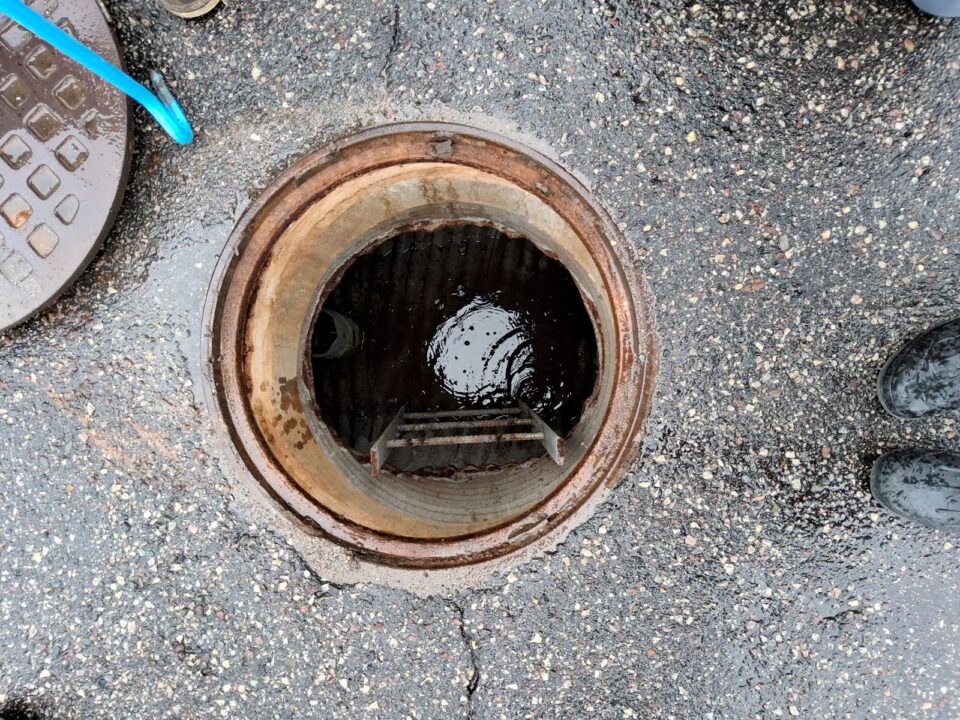
For example, at a 2010 project in the Macalester-Groveland neighborhood in Saint Paul, we met with the property managers to review the civil engineering plans. Together, we located manholes in the parking lot that were critical inspection points. We inspected the depth of accumulated sediment in the pretreatment sump manhole and used a camera and light to assess the infiltration system, a large-diameter metal pipe with perforations to allow stormwater to soak into the ground. We checked the metal pipe for corrosion, which can result from winter salt use in our cold climate. Using the photos and inspection notes, we prepared a report to communicate the findings and outline necessary maintenance actions for the property manager. If BMP maintenance is delayed, it can lead to debris clogging the system, reducing or preventing infiltration, and increasing the risk of local flooding, stagnant water, and additional pollution flowing into the Mississippi River.
Maintenance
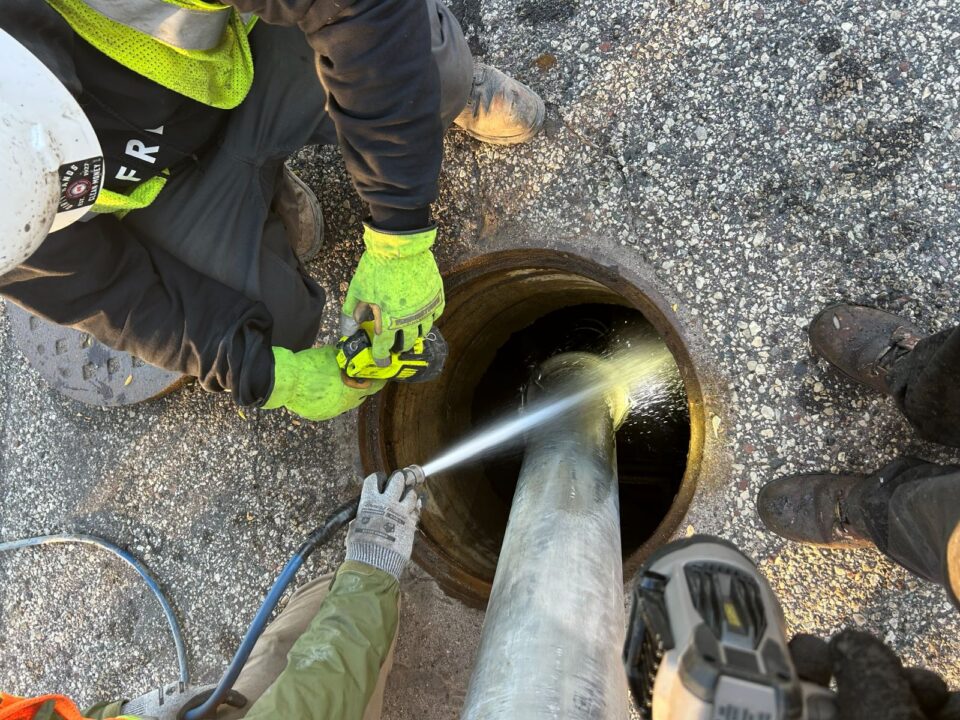
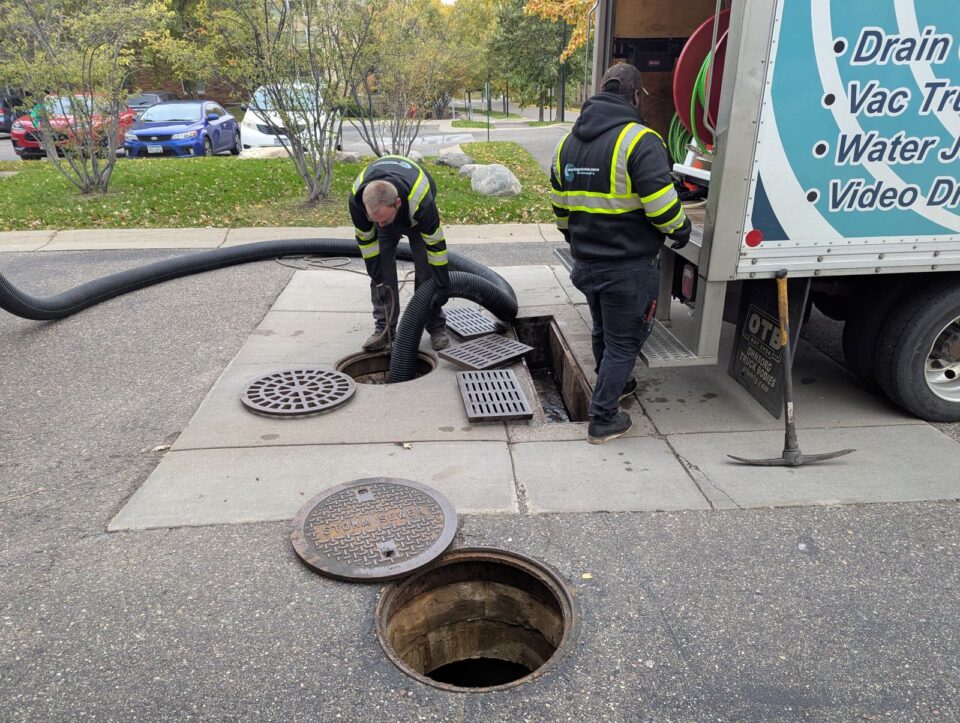
Common maintenance needs include removing accumulated sediment, leaves, trash, and other debris from sump and pretreatment structures; removing sediment from the BMP that has passed pretreatment; and re-establishing function when BMPs are not drawing down or are dry within 48 hours. Contractors remove sediment using a specialized truck with spray nozzles and a high-powered vacuum hose to remove and transport debris for proper disposal. Once maintenance work is complete, property managers send photos of the completed work.
Working Together for Clean Water
Having CRWD staff involved in the inspection and maintenance allows us to provide technical resources such as survey documents showing the BMP plans, photos of the system, and maintenance guidance specific to the BMP or its manufacturer. It also helps us develop a more comprehensive understanding of the current state of the BMP’s function and the scope of maintenance required to sustain or restore it. By working with property owners and managers, we are protecting clean water now and in the future.
Back at the new apartment building, a year has passed since construction was completed. We send the property manager a reminder about the necessary maintenance for the stormwater system beneath the parking lot, along with guidance on inspections and cleaning. The property manager schedules an inspection and routine maintenance. Thanks to CRWD and the property manager, the hidden system gets the care it needs to continue protecting the Mississippi River.