Como Lake Fall 2025 Updates
Capitol Region Watershed District (CRWD) has been working to improve water quality in Como Lake for over 20 years. We are committed to advancing the goals of the Como Lake Management Plan, developed in collaboration with the community and our partners.
Here are updates on some new and ongoing projects we’ve been working on at Como Lake recently.
Aquatic Plant Management
Native aquatic plants are critical to Como Lake’s water quality and ecosystem health. They provide food and shelter for a variety of wildlife, including ducks, turtles, fish, and insects. Como Lake’s native aquatic plant community had declined over the years; however, since 2020, we have been working on key projects that are making positive changes. Learn more about the topics below in Como Lake Aquatic Plant Management.
Curly-leaf Pondweed Treatment
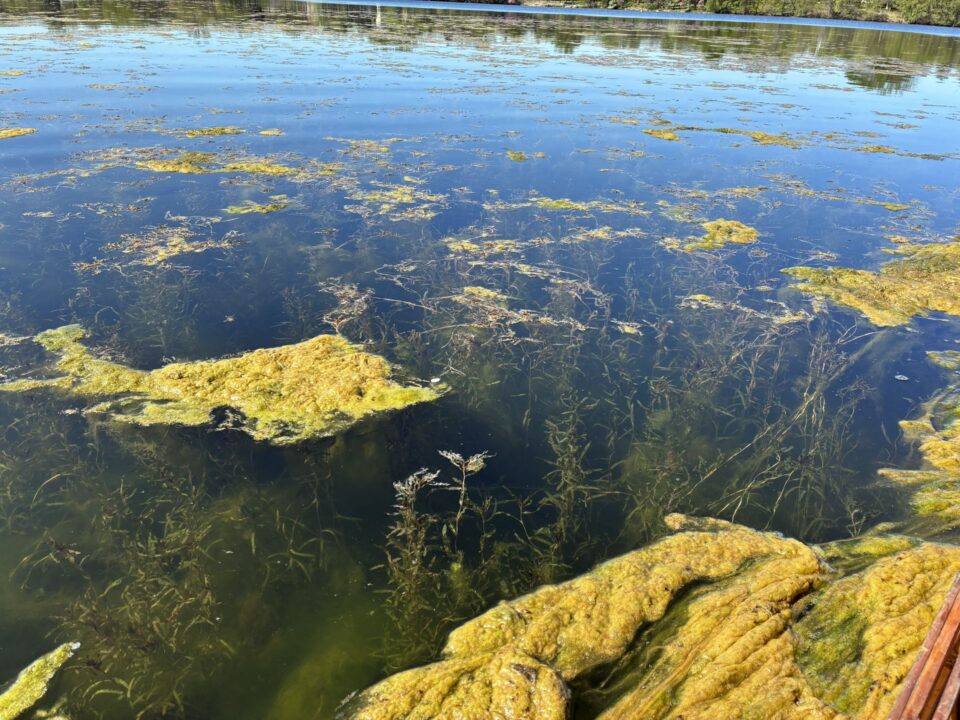
Curly-leaf pondweed was first observed in Como Lake in the early 1990s, and the conditions in the lake are just right for curly-leaf to be highly successful and outcompete native species. Prior to regular herbicide treatments beginning in 2020, it had come to dominate 90% of the plant community in Como Lake. Controlling curly-leaf pondweed has been a crucial step in restoring the balance of Como Lake’s ecosystem.
Curly-leaf pondweed spreads plant buds called “turions” that fall off in early summer and settle to the lake bottom to grow new plants. Over the winter, the new plants begin growing under the ice, allowing them to outcompete native plants that begin their growing season in May.
In April 2025, we completed an herbicide treatment targeting curly-leaf pondweed, a critical step in its control. We perform early-spring herbicide treatments when curly-leaf pondweed is the only plant growing in the lake to minimize the impact to native aquatic plants, which start their growing season in late May.
Eurasian Watermilfoil Removal
We first identified a small patch of invasive Eurasian watermilfoil in Como Lake in the summer of 2024. The Minnesota Department of Natural Resources (DNR) investigated the report of the invasive aquatic plant and then formally listed Como Lake as infested with Eurasian watermilfoil.
Eurasian watermilfoil can grow and spread rapidly, forming a dense canopy on the water surface that prevents light from reaching native aquatic plants below and interferes with recreational boating. Eurasian watermilfoil can reproduce through plant fragments, so its careful removal is key in controlling its spread.
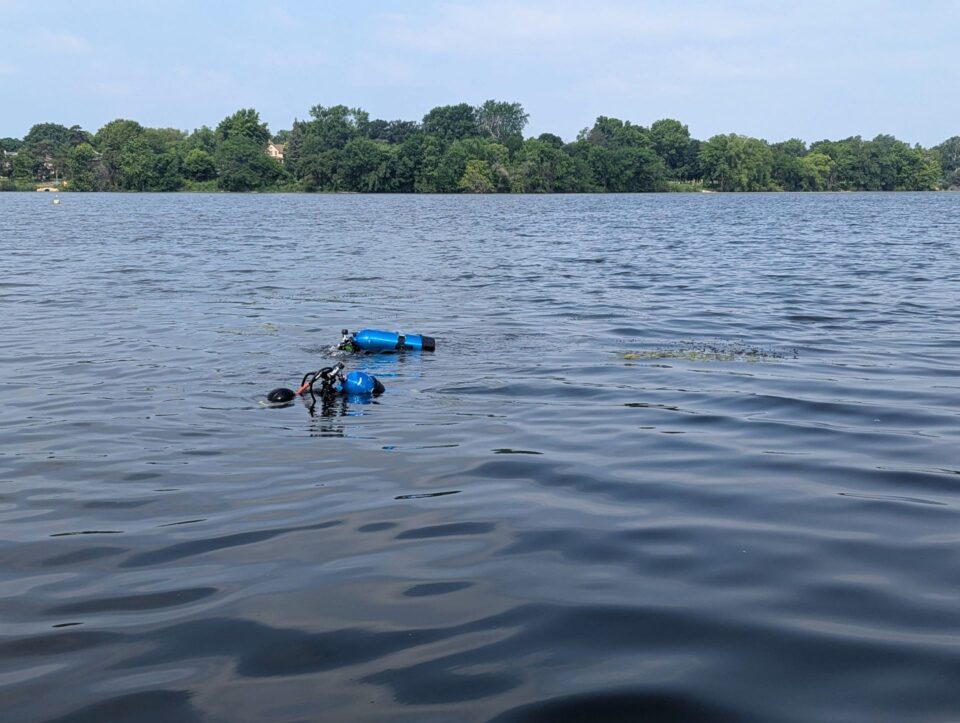
In the fall of 2024 and 2025, we partnered with the DNR and the Ramsey County Soil and Water Conservation Division (RCSWCD) to have SCUBA divers hand-pull the patch of Eurasian watermilfoil. We will continue to monitor Como Lake for Eurasian watermilfoil and remove it by hand to keep it under control.
Emergent Vegetation Planting
Emergent plants grow near the shores of lakes and have roots that grow into the lake bottom but stems that stand well above the water’s surface. Emergent native plants are essential to reducing shoreline erosion and providing habitats for fish and other wildlife.
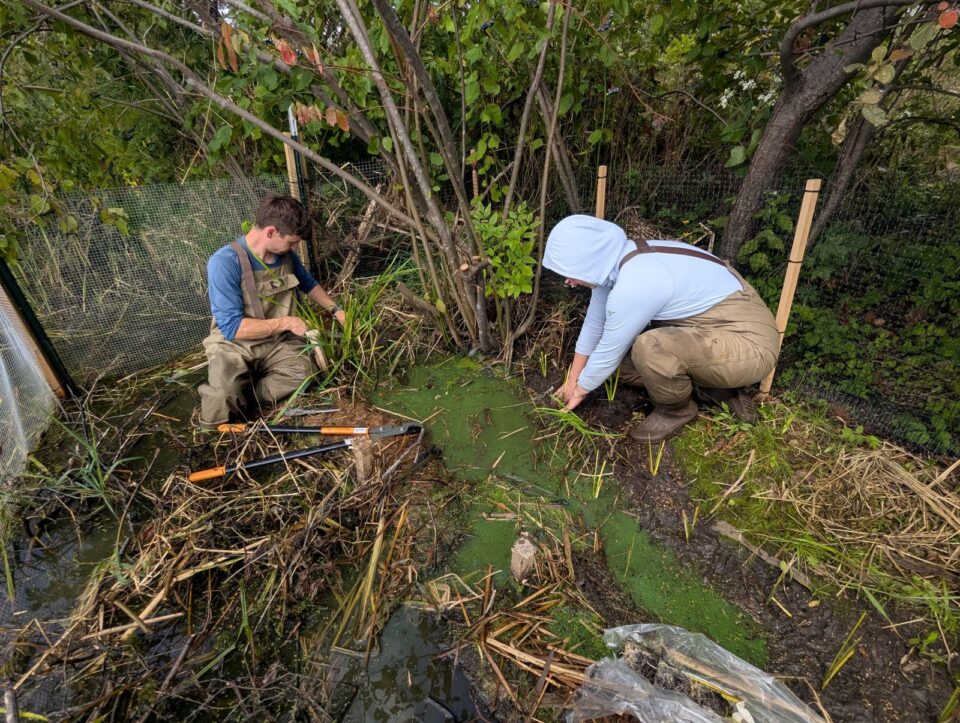
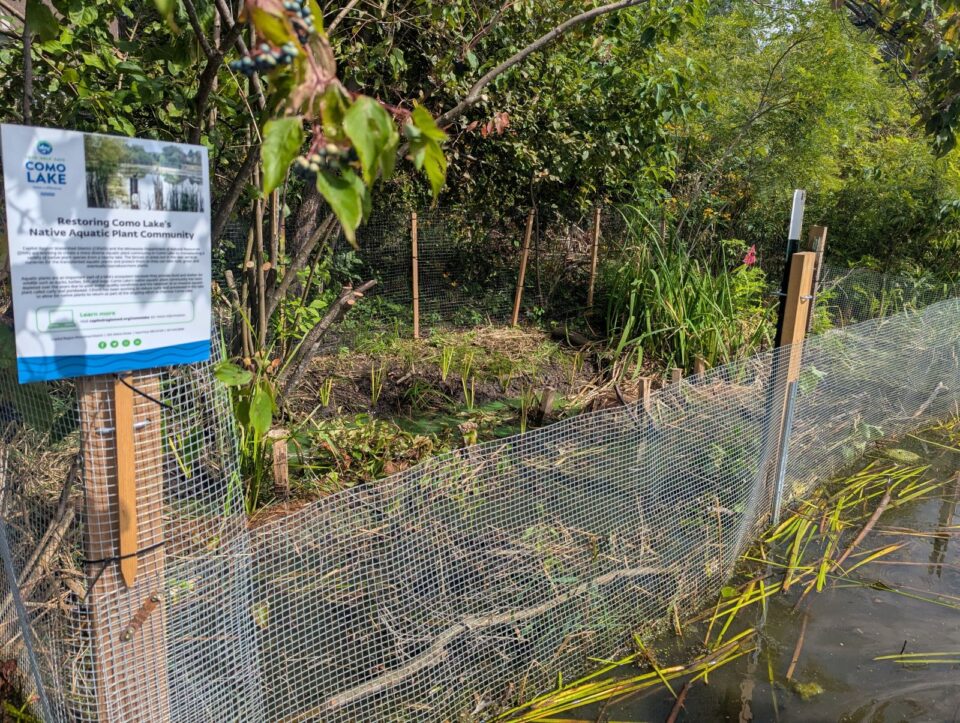
To help expand the emergent native plant community in Como Lake, we planted nursery plugs of giant bur-reed and American sweet flag in enclosures along the eastern shoreline. The enclosures will help deter muskrats from eating the plants while they become established.
Fall Submerged Vegetation Transplanting
Aquatic plants with roots that grow into the lake bottom and stems that stay completely or mostly submerged are known as submerged vegetation. To enhance and support the native aquatic plant community in Como Lake, we transplanted live plants from a donor lake in 2021, 2022, and 2023 into four locations around the lake.
With the transplanted aquatic plants from previous years now thriving and well-established in Como Lake, we decided this year to transplant from within the lake itself rather than a donor lake. Live plants were collected from well-established areas of the lake and transplanted to new places where conditions are right for their growth. We chose two species, wild celery and water star grass, because they have done so well in becoming established after the previous transplanting.
Shoreline Management
CRWD developed the Como Lakeshore Management Plan in 2022 to guide the maintenance and management of the areas in and around Como Lake’s shoreline over the next 20 years. The plan helps CRWD and the City of Saint Paul Parks and Recreation prioritize routine shoreline maintenance and plan for larger-scale or site-specific shoreline improvement projects.
As part of the plan, we’ve conducted annual shoreline surveys since 2023 to assess changes in the variety and abundance of shoreline plants and identify any maintenance needs to improve conditions. These surveys have also helped identify areas with erosion to help inform future shoreline stabilization projects.
Freshwater Mussels
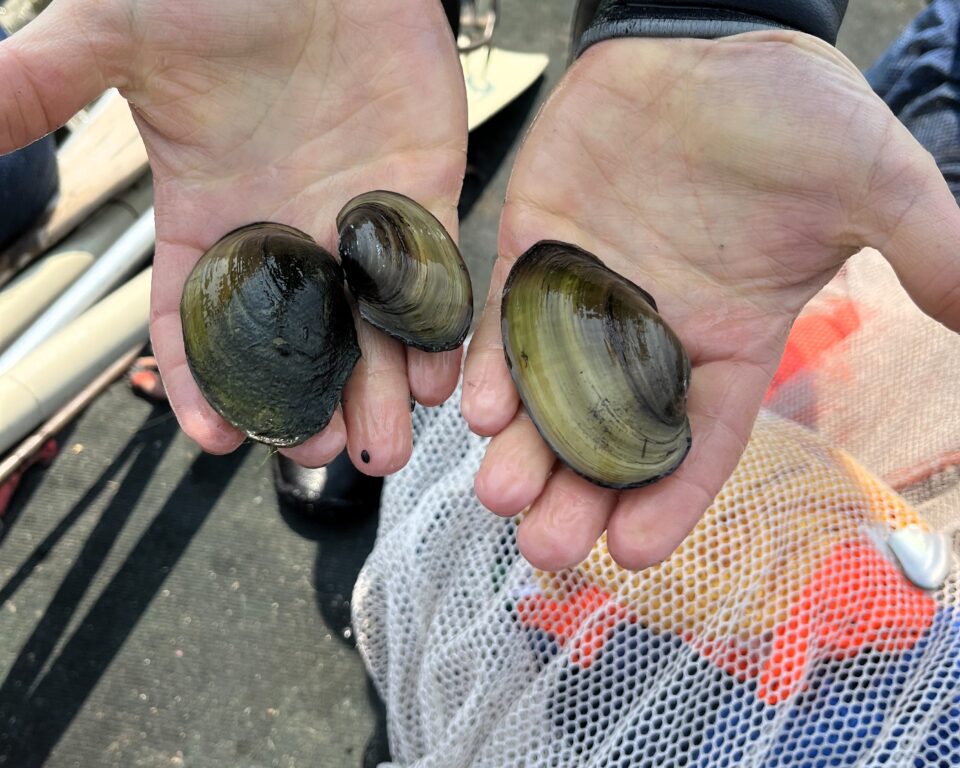
We’re excited to share that we found native giant floater mussels (Pyganodon grandis) in Como Lake! The giant floater is a common mussel in Minnesota, but has not been previously reported in Como Lake.
After finding the mussel during an aquatic vegetation survey, we conducted an informal survey of mussels in Como Lake with staff from the RCSWCD and Mark Hove, a research biologist at the University of Minnesota specializing in native mussels. During the survey, Mark taught us how to identify mussel species and ways to monitor them. We are partnering with RCSWCD to develop a mussel monitoring plan for Como Lake in 2026.
We were thrilled to find native mussels in Como because they improve water quality by filtering algae, bacteria, and other particles, and are sensitive to pollution and habitat disturbances. So, finding them in Como Lake indicates that the water quality is good enough to support their presence. After finding the mussels, we were curious about how they got to the lake, so we checked in with mussel biologist Mark Hove. In short, it’s unclear how and when the giant floater mussels arrived in Como Lake. Fish typically transport mussel larvae, or glochidia, in their gills, dispersing them to other lakes as they move. However, since Como is not connected to other lakes, there isn’t a clear indication of how they arrived.
Please note that native mussels are protected. Collecting live mussels is prohibited in Minnesota, and collecting shells of dead mussels is only permitted with a fishing license and is subject to quantity and species limitations by the Minnesota Department of Natural Resources. If you pick up a live mussel, return it to the water immediately.
American Bullfrog
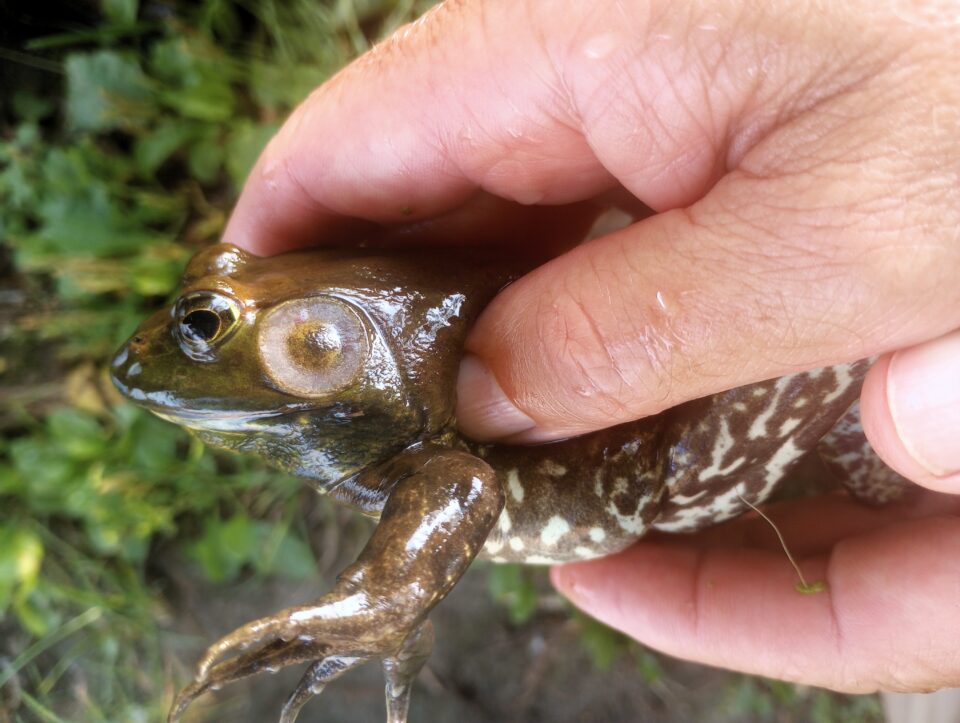
In July, we were notified of a potential American bullfrog sighting in Como Lake via an article and photos in the Como Community Council newsletter. We caught one of the frogs and sent pictures of it to the Minnesota Department of Natural Resources (DNR) to confirm its species identification.
The DNR notes that the American bullfrog’s native range is limited to a small area in the southeastern corner of Minnesota. Bullfrogs are large frogs with a voracious appetite for small mammals, birds, reptiles, fish, and even other frogs, affecting the food chain and potentially causing other adverse effects on lakes. They can also disrupt local populations of toads and frogs.
The bullfrog we caught still had a tadpole tail, indicating that they are reproducing and have already established in Como Lake. We will continue monitoring the American bullfrog population in the lake to determine how it may impact the ecosystem.
Common Carp
Common carp are invasive fish that contribute to poor water quality by stirring up the lake bottom while searching for food. During feeding, they uproot plants, muddy the waters for native fish, and allow excess nutrients stored in the lake bottom to be released and later consumed by algae. Common carp are among the most damaging aquatic invasive species due to their wide distribution and severe impacts on shallow lakes and wetlands.
In 2021, CRWD surveyed common carp in Como Lake and estimated their population to be above the critical threshold for water quality. CRWD has been working to reduce common carp populations in Como Lake through netting and electrofishing since 2022. You can read about the 2022 Common Carp Removal on our website.
To better assess Como Lake’s carp population, CRWD completed a carp aging project in 2023 – 2024. Contractors used electrofishing to harvest carp from Como Lake. Researchers removed the carp’s otoliths to estimate the fish’s age. Otoliths are part of the fish’s inner ear and grow throughout their life by accumulating material on the outer surface around a core. The material forms a visible ring that represents a year of growth, allowing researchers to estimate a fish’s age by counting the rings, similar to the rings in a tree trunk.
Results from the study showed a broad age distribution in carp, ranging from 2 to 20 years, with the largest percentage in the 2- to 3-year age group. These study results don’t indicate an immediate need for management, as the overall population is low and does not appear to be increasing significantly year to year. The low population numbers are likely due to the substantial native fish populations, including bluegill sunfish, that consume common carp eggs and larvae. CRWD may conduct follow-up surveys in the future to monitor the population.
Protecting Como Lake
The Como Community Council (District 10) organizes cleanup events and fall curb cleanups with the support of CRWD.
Como Curb Cleanup
Como residents can help protect Como Lake by joining the Como Curb Cleanups. The neighborhood fall tradition has been going on for over a decade. During the annual cleanup from October 1 through November 30, neighbors commit to clearing leaves from the curb in front of their homes every week to help protect the water quality at Como Lake. The combined efforts of neighbors help prevent pollution in the lake.
When it rains, leaves on the streets wash into storm drains and are carried to nearby lakes and rivers. Once in the water, they release nutrients, such as phosphorus, that can fuel algae blooms and the growth of curly-leaf pondweed.
In 2024, combined efforts from the Como Curb Cleanups removed 12.5 pounds of phosphorus before it reached the lake. That amount of phosphorus could fuel the equivalent of 3.13 tons of curly leaf pondweed!
This year, three other neighborhoods followed Como’s lead and are also coordinating initiatives to protect water quality in our lakes and the Mississippi River.
- Hamline Midway Coalition: Midway to Mississippi
- West 7th/Fort Road Federation: Clean Leaves From Your Curb
- Union Park District Council: Curbs to Currents Clean Up
Consider joining the effort if you’re in one of these neighborhoods.
Como Lake Trash Cleanup
The Como Community Council, in partnership with CRWD, organizes multiple Como Lake cleanup events each year. Community volunteers gather to clean trash from the lake surface and shoreline.
During the four cleanup events in 2025, 106 volunteers dedicated a combined 246 hours to removing over 200 pounds of trash from in and around Como Lake! Thank you to all the volunteers who helped to protect Como Lake.
In Summary
CRWD is working to improve water quality in Como Lake through monitoring and targeted management strategies, including aquatic plant and shoreline management. Our collaborative efforts with local partners and the community emphasize the importance of collective stewardship in maintaining Como Lake as a valuable and beloved natural resource.
We’re looking forward to starting our Como Lake winter monitoring soon and continuing the positive progress at Como Lake.