Managing Chloride Pollution

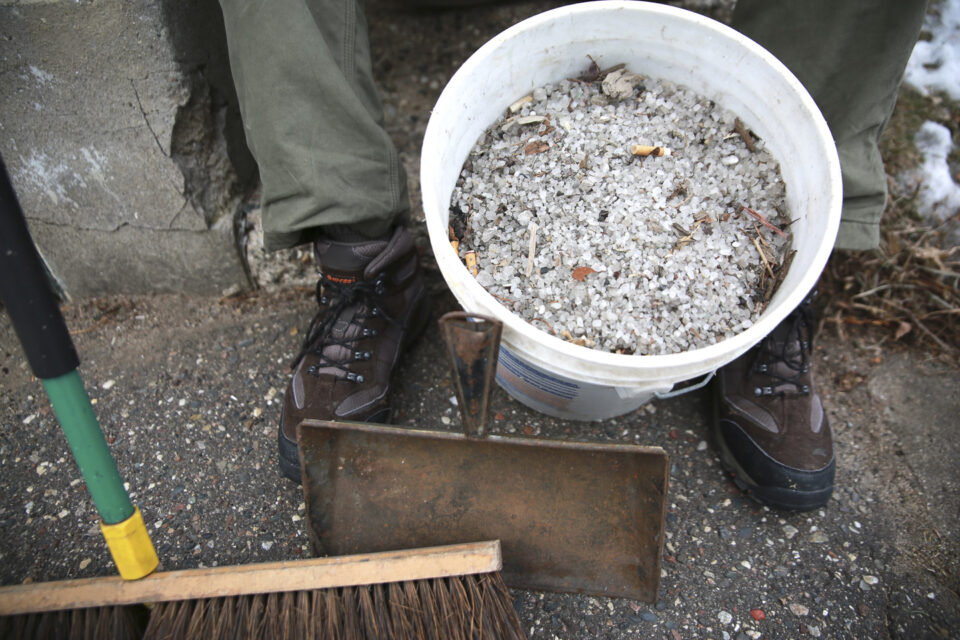
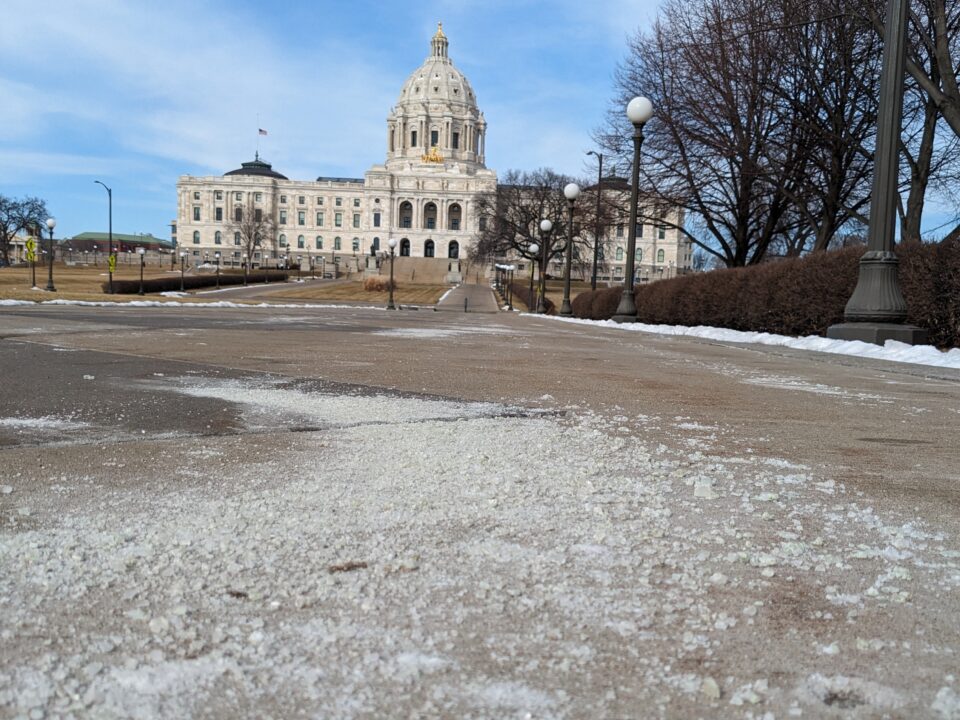
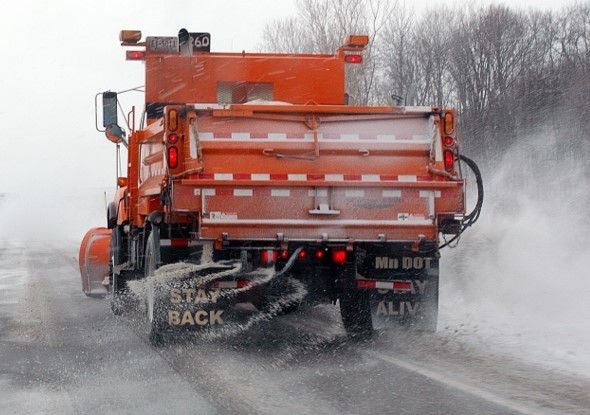
Winter weather in Minnesota brings slippery surfaces. In northern climates like ours, road salt is frequently used as a winter maintenance tool because it melts ice and can help keep surfaces safe for use. Within CRWD’s boundaries, 33% of the total area consists of paved surfaces like roads, alleys, driveways, sidewalks, and parking lots where road salt may be applied. When road salt mixes with water, it dissolves and breaks down into an ion called “chloride”. When flushed off paved surfaces into water bodies by stormwater runoff, chloride can permanently pollute lakes, rivers, wetlands, and groundwater. CRWD developed the Chloride Pollution Prevention Plan to prioritize our actions to reduce road salt use in our watershed.
The Challenge

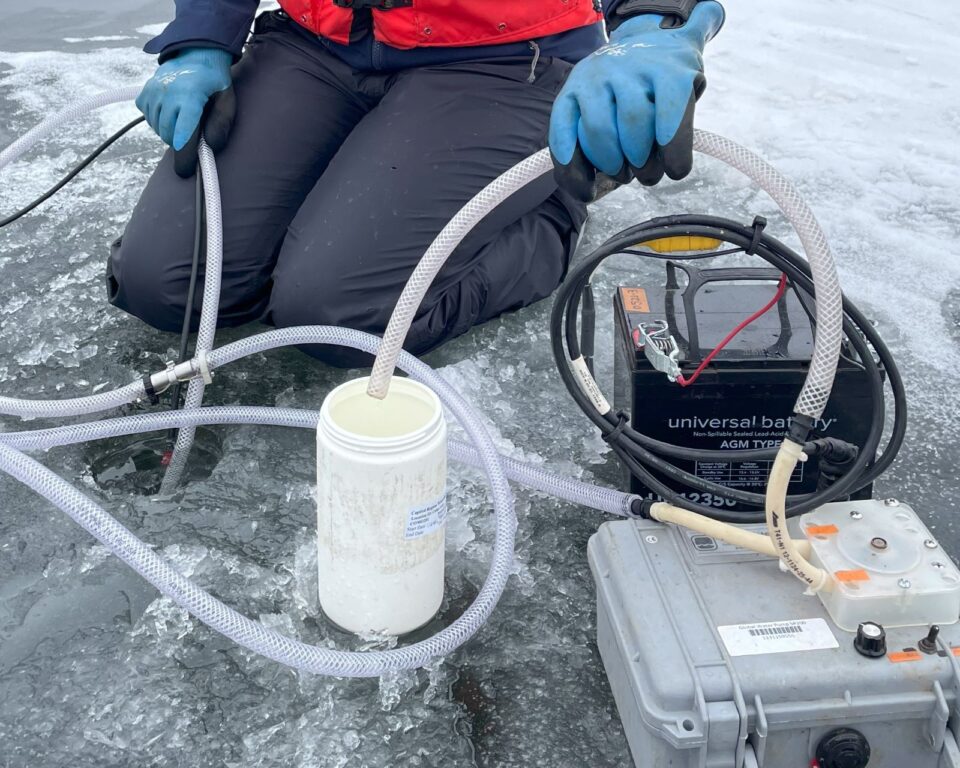
While chloride is naturally occurring, it becomes a pollutant of concern when present in unnatural amounts in any environment. Melting snow and ice carry chloride through the soil into groundwater or to storm drains, which flow directly to lakes, rivers, streams, and wetlands. In CRWD, all stormwater runoff via storm sewers eventually flows to the Mississippi River. Over the last 20 years, CRWD has been monitoring chloride concentrations in District lakes and stormwater, and the monitoring data shows increasing chloride concentrations, which has many adverse long-term effects.

Negative impacts of road salt use and chloride pollution include:

  • Water Quality: Salt can permanently pollute lakes, rivers, wetlands, groundwater, and drinking water sources.
  • Human Health: Salt can permanently contaminate groundwater used for drinking water supplies.
  • Animals: Salt can be toxic to birds, fish and aquatic bugs. It can also sicken pets and hurt their paws.
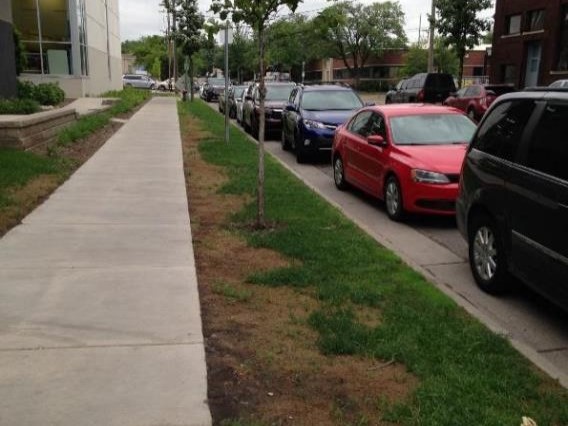
  • Plants and Soil: Salt can harm lawns, landscaping, trees, and aquatic plants. It can also contaminate soil.
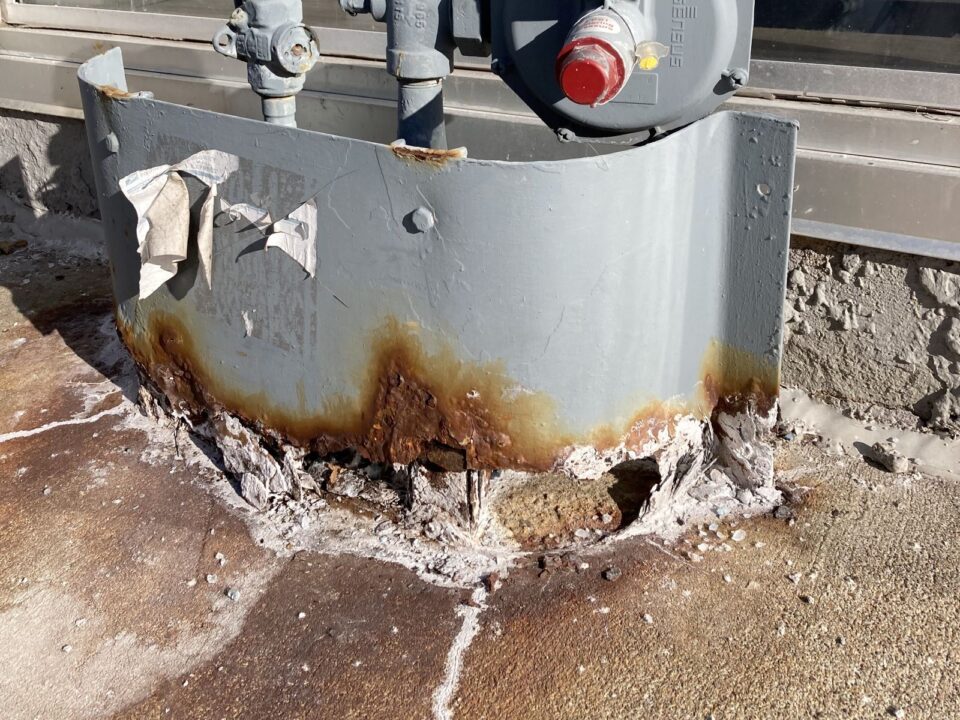
  • Personal Property: Salt can cause rusting on vehicles and damage shoes, carpets, and flooring.
  • Public Infrastructure: Salt damages public infrastructure like concrete and asphalt pavements and bridges.

Additionally, once chloride enters our water resources, there is no practical way to remove it. Just one teaspoon of salt contaminates five gallons of water! CRWD has been working to educate, monitor, and partner for road salt reduction, but the problem and impacts continue to escalate. This is because public safety on icy surfaces is a number one concern in the winter, and road salt is currently one of the main tools used to reduce ice and keep us safe. While road salt can help reduce ice when used correctly, it is often not used that way. Applying too much salt does NOT provide extra protection from snow and ice, but it does damage property and pollute our water.

The Solution

As a watershed district, CRWD is dedicated to protecting, managing, and improving the District’s water resources. While CRWD is not a large-scale applicator of salt or responsible for public safety on roadways and other paved surfaces, we still share in the responsibility to help develop solutions.

CRWD’s 2021-2030 Watershed Management Plan identified the need to develop a chloride management plan to prevent and reduce chloride pollution in CRWD’s water bodies. In June 2026, CRWD’s Board of Managers adopted the Chloride Pollution Prevention Plan (linked below) with the following overall purpose:

To reduce the use of road salt for winter maintenance in CRWD to prevent further degradation to CRWD’s water resources, natural resources, and infrastructure from chloride pollution.

Chloride Pollution Prevention Plan PDF

Results

The Chloride Pollution Prevention Plan outlines the scope of the chloride problem in CRWD, defines the District’s role in road salt reduction, and develops targeted actions to reduce or prevent road salt use while maintaining safety. These actions span all areas of District work including monitoring, education and outreach, training, funding, rules and regulations, and policy advocacy.

What you can do

YOU can also be part of the solution! Here are some ways that you can act.